 How-to
How Long to See Skincare Results: A Realistic Timeline
Last Updated: November 17, 2026
Quick Summary
Most skincare results start to show within two to four weeks, while meaningful changes typically take eight to twelve weeks. However, there is no single waiting period, so match your expectations to the product: hydration acts fast, while actives like retinoids act slowly.
- Skin cell turnover takes roughly four to six weeks before new cells reach the surface.
- Hydration is the fastest visible win, with plumper skin appearing within days.
- Vitamin C shows early brightness in two to four weeks and tone improvement by eight to twelve weeks.
- Retinoids begin smoothing around four to six weeks, with fuller results at three to six months.
- Take a photo in the same light every Sunday to track progress objectively.
Table of Contents
- How Long to See Skincare Results: The Short Answer
- The Skin Renewal Cycle Sets the Pace
- Results by Product Type and Active Ingredient
- How Long to See Skincare Results for Wrinkles
- How Do I Know If My Skincare Routine Is Working?
- How Long Does Skincare Need to Stay on Skin to Work?
- How Long to See Skincare Results Before and After
- Irritation, Purging, and When to Consult a Dermatologist
- Frequently Asked Questions
How Long to See Skincare Results: The Short Answer
Most skincare results start to show within two to four weeks, while meaningful changes typically take eight to twelve weeks. That timeline comes from Doctor Campos's guide to skincare results, and it holds true for most people starting a new routine.
But here is what most guides get wrong: there is no single waiting period. A hydrating moisturizer can plump skin overnight. A retinoid takes months to smooth fine lines.
Below, we break down exactly how long to see skincare results by product type, ingredient, and concern. You will also learn how to track progress objectively and spot the difference between purging and a real reaction.
The Skin Renewal Cycle Sets the Pace
Your skin replaces itself on a schedule, and that schedule explains most timelines.
That cycle is why nothing dramatic happens in three days. A serum can only show results once enough new cells reach the surface.
Several things slow the cycle down:
- Age, which naturally slows turnover over time
- Sun damage and dehydration
- Harsh cleansing that damages the moisture barrier
- Skipping exfoliation for long stretches
Speed it up gently with consistent exfoliation and daily SPF. Never try to force faster turnover with daily acids, because irritation sets you back further than it moves you forward.
Results by Product Type and Active Ingredient
Different products work on different clocks. A cleanser and a retinol serum should never be judged on the same timeline.
| Product Type | First Results | Meaningful Results | What to Watch |
|---|---|---|---|
| Cleanser | Days | Two to four weeks | Tightness after washing |
| Hydrating moisturizer | Overnight to one week | Two weeks | Pilling under makeup |
| Vitamin C serum | Two to four weeks | Eight to twelve weeks | Slight tingling only |
| Retinoid | Four to six weeks | Three to six months | Dryness, flaking early on |
| Exfoliant (AHA/BHA) | One to two weeks | Four to eight weeks | Overuse, barrier damage |
| Eye cream | Two to four weeks | Eight to twelve weeks | Milia from heavy formulas |
The pattern is simple: hydration acts fast, actives act slowly.
Hydration and Moisture Barrier: Days to Two Weeks
Hydration is the fastest visible win in skincare. Skin that is well moisturized looks plumper and smoother within days, because water fills the outer layer almost immediately.
The moisture barrier is the outer layer that locks water in and keeps irritants out. For lasting hydration, our Daily Hydration Super Intensive Moisturiser delivers all-day comfort.
Watch out: over-cleansing is the most common reason a barrier never recovers. If your skin feels tight after washing, your cleanser is too harsh.
Vitamin C, Retinoids, and Exfoliants: Four to Twelve Weeks
These are the actives that change skin over time, and they need patience. Active ingredients like vitamin C, retinoids, and exfoliating acids work by influencing how skin cells behave, so results appear only as new cells surface.
Expect the following:
- Vitamin C: early brightness in two to four weeks, visible tone improvement by eight to twelve weeks
- Retinoids: smoothing begins around four to six weeks, with fuller results at three to six months
- Exfoliants: texture improves in four to eight weeks with two to three uses per week
Start each active slowly. Two nights a week beats seven nights that leave you red and flaking.
If you want to start a vitamin C step, our Kylie Skin Vitamin C Brightening Serum uses tetrahexyldecyl ascorbate to moisturize while it brightens. For an exfoliating option, the PUROPHI Exfoliating Serum blends enzyme exfoliators with alpha hydroxy acids to renew tired-looking skin.
How Long to See Skincare Results for Wrinkles
Fine lines and wrinkles respond more slowly than almost any other concern. Most people notice softening at three to six months, not weeks, because wrinkles involve the deeper layers of skin where structural change takes time.
Why Wrinkles Take Longer
Wrinkles form from a combination of collagen and elastin loss, repeated facial movement, and sun damage accumulated over years. Topical products cannot replace that structure overnight. Retinoids work by supporting collagen production and accelerating cell turnover over time, which is why the change is gradual and cumulative rather than dramatic.
A common pattern described in skincare discussions:
- Weeks four to six: skin may feel smoother and look slightly more even, but lines are largely unchanged
- Months two to three: early softening of fine lines, especially around the eyes and mouth
- Months three to six: more visible improvement in texture and line depth with consistent use
- Beyond six months: continued gradual change, with the biggest gains in the first year of consistent use
What Actually Helps
Vitamin C supports collagen and protects against environmental damage during the day. Daily SPF is non-negotiable, because unprotected sun exposure undermines collagen gains faster than any product can rebuild them.
Watch out: judging wrinkle progress at three weeks leads people to abandon products that were working. Take a photo in the same light on day one, then again every four weeks. You will notice change in the photos before you notice it in the mirror.
For overnight support, our Retinol Night Cream with Collagen & Hyaluronic Acid pairs retinol with collagen and hyaluronic acid to target fine lines while you sleep.
How Do I Know If My Skincare Routine Is Working?
You know a routine is working when three things happen: skin feels comfortable after cleansing, texture looks more even in photos, and breakouts settle rather than multiply. If none of those appear by week eight, the routine needs a change, not more time.
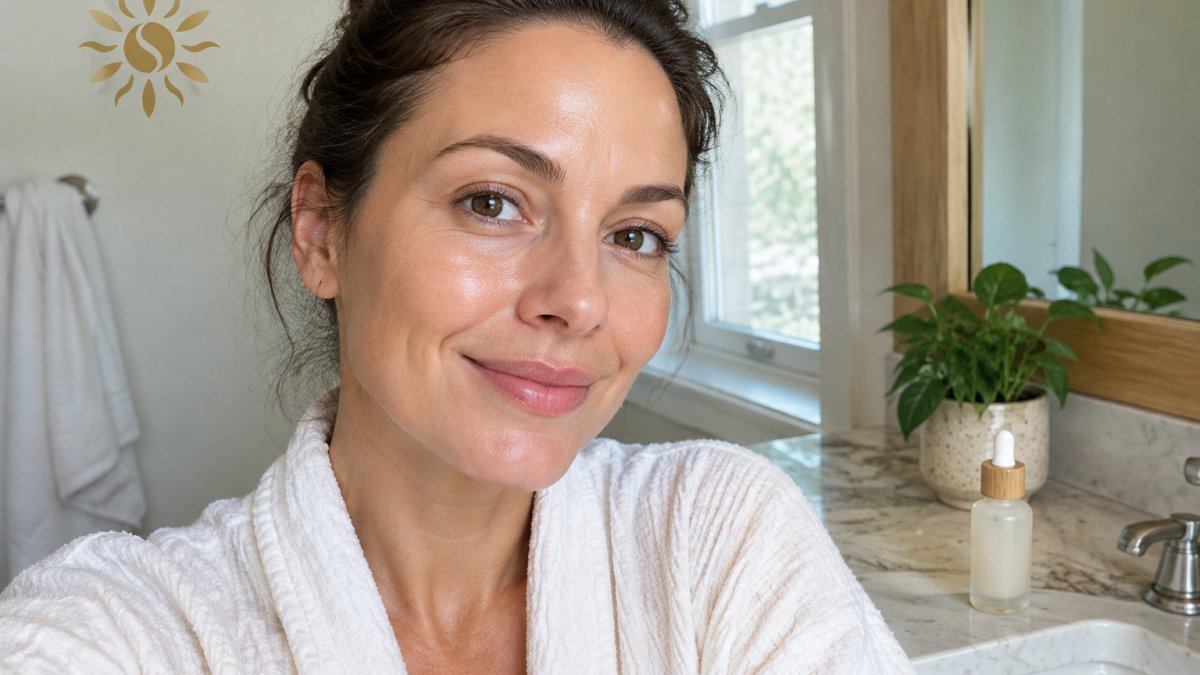
Tracking progress objectively beats guessing. Try this simple method:
- Take a photo in the same spot, same light, every Sunday
- Note how skin feels after cleansing each morning
- Record any stinging, redness, or flaking
- Compare week four against week eight, side by side
If you are also checking whether your products are well sourced, our guide to assessing skincare ingredient sourcing walks through what to look for on a label.
How Long Does Skincare Need to Stay on Skin to Work?
Contact time matters, but it is not the main reason timelines vary. Leave-on products need hours on the skin to absorb, while cleansers work in the sixty seconds they are on your face. The bigger variable is what happens between applications: how often you use a product, how much you apply, and whether your routine supports or undermines it.
A practical order that supports absorption:
- Cleanser, rinsed
- Toner, if you use one
- Serum on damp skin
- Moisturizer to seal it in
- SPF in the morning
Wait about a minute between layers to prevent pilling and let each product settle.
Factors That Change the Timeline
Two people can use the same retinol for twelve weeks and see different results. That is normal, and it usually comes down to a handful of variables rather than the product being "bad."
- Severity of the concern: mild texture may smooth in four to six weeks, while deeper lines or longstanding pigmentation can take three to six months or longer.
- Formulation and concentration: a well-formulated 0.3% retinol used consistently often produces visible change sooner than a poorly stabilized high-percentage product that irritates and gets abandoned.
- Frequency of use: two to three nights per week builds tolerance; nightly use too soon causes flaking and lost weeks.
- Sun exposure: daily SPF protects gains; unprotected sun exposure can undo tone and pigmentation improvements faster than they appear.
- Routine compatibility: layering too many actives at once (retinoid plus strong AHA plus vitamin C in the same sitting) raises irritation risk and slows progress.
Watch out: adding a new active every week makes it impossible to tell which product is helping and which is causing irritation.
If progress stalls despite consistent use, the issue is usually one of these factors rather than the calendar. Adjust frequency, simplify the routine, and reassess at the next four-week mark.
How Long to See Skincare Results Before and After
Before-and-after photos are the clearest proof a routine works, but only when they are honest. The same lighting, the same angle, and no filter make the comparison useful.
What realistic progress looks like:
- Weeks one to two: skin feels softer and more comfortable
- Weeks two to four: early brightness, less tightness
- Weeks four to eight: smoother texture, calmer breakouts
- Weeks eight to twelve: more even tone, softened lines
- Three to six months: visible change in firmness and fine lines
A 2026 paper in the Journal of Clinical and Aesthetic Dermatology found that nearly one quarter of respondents reported delayed skin effects from their routines, which is a reminder that some changes simply take longer to appear.
Irritation, Purging, and When to Consult a Dermatologist
Not every reaction is progress. Purging is a temporary breakout from actives that speed up cell turnover, and it clears within four to six weeks. Irritation is different, and it means the product is too strong or too frequent.
Know the difference:
- Purging: small bumps in your usual breakout zones, fading over weeks
- Irritation: redness, stinging, peeling, or burning that gets worse
- Allergic reaction: swelling, hives, or spreading rash, which needs medical help
Watch out: continuing an irritating product in the hope it settles is the fastest way to damage your barrier.
Speak to a dermatologist if a reaction spreads, if pain is involved, or if acne worsens after eight weeks. Guidance from dermatologists on skincare routine trends supports tailoring expectations to your own skin rather than a fixed timeline.
Once results appear, maintenance matters.
Building a routine that actually shows results comes down to patience and the right formulas. Soulari Naturals makes that easier with a botanical clean standard, full INCI lists with no hidden formulas, and plant-based actives backed by science.
Frequently Asked Questions
How long does a skincare routine take to see results?
Most people see early signs within two to four weeks, while meaningful results typically take eight to 12 weeks, as a commonly cited timeline. Hydration changes show up fastest, often within days, because the moisture barrier responds quickly. Texture, tone, and fine lines take longer because they depend on skin cell turnover. Consistency matters more than any single product, so judge your routine after at least two full skin cycles rather than a few days.
How do I know if my skincare routine is working?
Track objective signs rather than daily mood. Take a photo in the same light at the same time each week, note how your skin feels midday (tight, oily, comfortable), and watch for fewer new breakouts and calmer redness. Early improvements like softer texture and better hydration count as progress. If you see no change at all after eight to 12 weeks of regular use, it is reasonable to reassess the products or consult a dermatologist.
How long does skincare need to stay on skin to work?
Leave-on products like serums, moisturizers, and retinoids need to remain on the skin for hours, which is why they are applied to clean skin and left overnight or through the day. Rinse-off cleansers work in the 30 to 60 seconds they are massaged in. The three-minute rule for moisturizer matters here: applying it to slightly damp skin within three minutes of cleansing helps lock in hydration before it evaporates.
Is purging different from irritation, and when should I see a dermatologist?
Purging is a temporary increase in breakouts in areas you normally breakout, often in the first four to six weeks of starting an exfoliant or retinoid. Irritation looks different: stinging, redness, flaking, or burning that does not settle. Stop the product and simplify your routine if irritation persists beyond a week. See a dermatologist for persistent cystic acne, sudden pigmentation changes, or any reaction that spreads or worsens despite stopping the product.