 ultimate-guide
Science-Backed Botanical Supplements for Energy
Table of Contents
- Understanding Botanical Supplements for Energy and Fatigue
- Top Herbs for Energy: What the Research Shows
- Science-Backed Energy Supplements: Vitamins and Minerals
- Energy Supplement Safety and Interactions
- Dosage, Extract Standardization, and Timing
- Verifying Product Quality and Label Claims
- When Persistent Fatigue Requires Medical Attention
- Frequently Asked Questions
Last Updated: October 17, 2026
Understanding Botanical Supplements for Energy and Fatigue
When persistent fatigue drains productivity and mental clarity, many people turn to synthetic energy solutions first. But botanical supplements for energy have centuries of traditional use, and modern research is now examining which ones deliver measurable results.
The difference between a botanical that works and one that doesn't comes down to two things: the specific plant compound and the quality of evidence behind it.
Energy challenges stem from multiple sources: stress, poor sleep, nutrient deficiencies, and underlying health conditions. Botanical supplements for energy address different mechanisms, stress resilience, circulation, or nutritional support for energy metabolism.
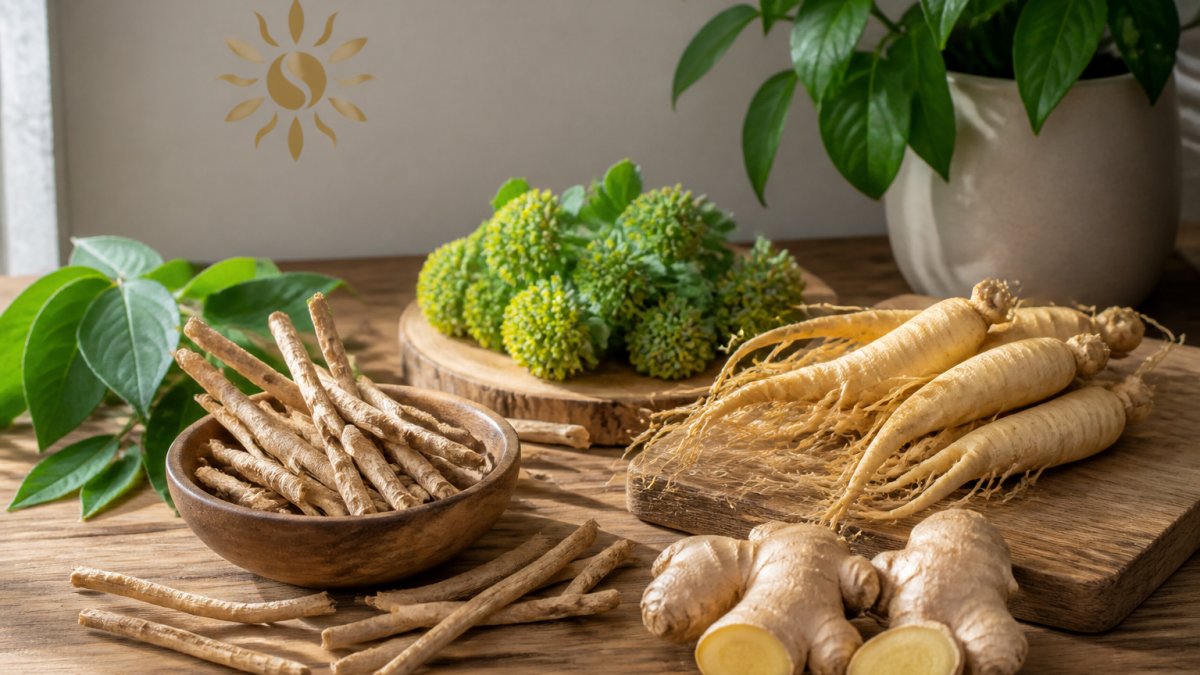
Top Herbs for Energy: What the Research Shows
The most researched herbs for energy and fatigue fall into distinct categories: adaptogens that help the body manage stress, plus botanicals offering nutritional support or enhanced circulation. The key is matching the herb to your energy challenge.
Ashwagandha for Stress-Related Fatigue
Ashwagandha, a traditional Ayurvedic herb, is one of the most studied botanical supplements for energy, particularly when fatigue connects to chronic stress. Its withanolides appear to influence stress hormone pathways.
Many people report feeling less mentally exhausted after high-stress periods. It supports the body's cortisol response, not eliminating stress, but helping the nervous system recover more efficiently.
Typical dosage is 300-600mg of standardized extract daily, though response varies.
Rhodiola Rosea for Physical and Mental Stamina
Rhodiola rosea, native to Arctic regions, has been used in Scandinavian and Russian wellness traditions for decades.
Its compounds may enhance oxygen use and reduce perceived exertion. Athletes and people with demanding mental work often report sustained energy without the stimulant crash. Rhodiola supports performance capacity; ashwagandha supports stress recovery.
Standardized extracts typically provide 3% rosavins and 1% salidroside, with effective dosages of 200-600mg daily, usually taken in the morning. Taking it in the evening may disrupt sleep for some people.
Ginseng and Traditional Energy Support
Ginseng exists in multiple forms, Asian ginseng, American ginseng, and Siberian eleuthero, each with slightly different traditional uses.
These plants contain ginsenosides, which appear to influence energy metabolism and stress responses. Research suggests ginseng works best for general fatigue rather than acute stress-related exhaustion: it supports sustained energy production, not stress recovery.
Dosages vary by type, but standardized extracts typically provide 4-7% ginsenosides at 200-400mg daily. Like rhodiola, ginseng works best taken consistently over several weeks rather than as needed.
Adaptogens: How They Support Energy and Resilience
An adaptogen is a botanical that helps the body maintain stability during physical, mental, or environmental stress (Effects of Adaptogens on the Central Nervous System and the Molecular Mechanisms...).
Adaptogens don't force energy; they appear to help the nervous system shift between stress and recovery states more efficiently.
A common misconception is that all adaptogens work the same way. They don't. Each one influences different pathways. This is why pairing the right adaptogen to your situation matters more than simply taking "an adaptogen" for energy.
Science-Backed Energy Supplements: Vitamins and Minerals
Botanical supplements for energy work best when nutritional foundations are solid. Deficiencies in specific vitamins and minerals directly impair energy production at the cellular level.
B Vitamins and Energy Metabolism
B vitamins, particularly B6, B12, and folate, are essential cofactors in the metabolic pathways that convert food into usable energy (B Vitamins: Functions and Uses in Medicine).
People on restrictive diets or managing digestive issues often develop B vitamin deficiencies that directly cause fatigue.
B complex supplements typically provide 25-100mg per dose; taking them with food improves absorption. If you've ruled out other causes of fatigue, try B vitamin supplementation for 4-6 weeks to assess response.
Vitamin D, Iron, and CoQ10
Vitamin D deficiency is extremely common, particularly with limited sun exposure or in northern climates, and low vitamin D correlates with fatigue and reduced physical performance. Iron deficiency causes anemia, impairing oxygen transport and creating profound fatigue. CoQ10, an antioxidant your body produces naturally, declines with age and supports cellular energy production.
These three address different mechanisms: vitamin D influences mood and immune function, iron enables oxygen transport, and CoQ10 supports mitochondrial function. Testing for deficiencies makes sense before assuming you need botanical supplements for energy.
Energy Supplement Safety and Interactions
Botanical supplements for energy are generally well-tolerated, but safety depends on the specific herb, dose, extract type, your medications, and your health history. The most useful approach is botanical by botanical, because risk profiles are not interchangeable.
Botanical-by-Botanical Interaction and Risk Guide
Ginseng (Panax ginseng, Panax quinquefolius). Ginseng can interact with warfarin and other blood thinners and may affect blood pressure and blood glucose.
Eleuthero (Siberian ginseng). Often grouped with ginseng but a different plant.
Holy basil (Ocimum tenuiflorum). May enhance the effect of anticoagulants and antiplatelet drugs, and may lower blood sugar, which matters for people on diabetes medication.
Schisandra chinensis. May interact with medications metabolized by CYP3A4 liver enzymes, including some statins, immunosuppressants, and antiarrhythmics.
Who Should Avoid Specific Botanicals
Pregnant and nursing individuals should avoid most adaptogenic herbs, ashwagandha, rhodiola, ginseng, and eleuthero, because safety data are limited. People with autoimmune conditions should discuss ashwagandha and other immune-active botanicals with their provider; those with bipolar disorder should avoid rhodiola and other stimulating adaptogens without medical guidance; people with hormone-sensitive conditions should avoid ginseng without medical advice; and children should not take adaptogenic herbs without pediatric guidance.
A practical rule: if you take any daily medication, treat botanical supplements for energy like a new prescription, check interactions first, not after you notice a problem.
Dosage, Extract Standardization, and Timing
Whether a botanical supplement works often comes down to three practical details: the dose studied, the extract type, and when you take it. Most labels make this harder than it should be, so here is what to look for by botanical.
Studied Doses and Extract Types by Botanical
Rhodiola rosea. Studies typically use root extract standardized to about 3% rosavins and 1% salidroside, at roughly 200-600 mg per day.
Ginseng. Panax ginseng studies commonly use root extract standardized to about 4-7% ginsenosides at roughly 200-400 mg per day.
Eleuthero. Often standardized to eleutherosides, with studied doses in the range of roughly 300-800 mg per day of extract.
Schisandra. Studied doses of fruit extract are commonly in the range of roughly 250-500 mg per day, often standardized to schisandrins.
Timing and Consistency
Adaptogens such as ashwagandha work best taken consistently at the same time each day, because effects build over weeks rather than hours. Rhodiola and ginseng are typically taken in the morning, since both can be mildly stimulating and may disrupt sleep later.
Most botanical supplements for energy require about 2-4 weeks of consistent use before effects become noticeable, these plants influence underlying systems gradually rather than providing immediate stimulation.
Matching the Extract to the Goal
A simple way to think about it: for stress-related fatigue, look for a standardized ashwagandha root extract with a stated withanolide percentage. For stamina during demanding periods, look for rhodiola standardized to rosavins and salidroside. For general fatigue and sustained energy, look for a Panax ginseng extract with a stated ginsenoside percentage. For evening wind-down, holy basil and schisandra are common choices. Matching the extract to the goal matters more than taking a higher dose of the wrong one.
Verifying Product Quality and Label Claims
Not all botanical supplements are created equal. The supplement industry has minimal regulation compared to pharmaceuticals, so quality varies dramatically between brands.
Soulari Naturals maintains full INCI transparency and botanical clean standards, with no hidden formulas, you see exactly what you're taking.
Red flags include vague ingredient lists or no standardization information.
When Persistent Fatigue Requires Medical Attention
Botanical supplements for energy address specific mechanisms, but they're not appropriate for every type of fatigue.
Seek medical attention if fatigue comes with unexplained weight changes, persistent fever, new difficulty concentrating, or worsening despite adequate sleep and nutrition.
Fatigue lasting more than a few weeks warrants a conversation with a healthcare provider.
Persistent fatigue doesn't have to be your baseline.
At Soulari Naturals, we believe true energy comes from nourishing your body with clean, botanically-formulated supplements designed to support whole-body vitality.
Frequently Asked Questions
What is the difference between herbal supplements and botanical supplements for energy?
Herbal and botanical supplements are often used interchangeably, but botanicals encompass a broader category that includes herbs, roots, flowers, and other plant parts. Botanical supplements for energy may contain single-plant extracts like ashwagandha or rhodiola rosea, or blended formulas combining multiple plants. The key distinction is that science-backed botanical supplements use standardized extracts with documented active compounds and human research supporting their efficacy for fatigue and mental focus.
How long does it take for botanical supplements for fatigue to work?
Onset varies by botanical and individual factors. Adaptogens like ashwagandha and rhodiola typically require 2-4 weeks of consistent use before noticeable effects on stress-related fatigue and mental stamina emerge. Ginseng may show benefits within 1-2 weeks for some users. Vitamins like B-complex and vitamin D work gradually to support energy metabolism; deficiencies may take weeks to reverse. Consistency matters more than timing, sporadic use is unlikely to produce measurable results.
Are herbs for energy safe to take every day?
Most science-backed botanical supplements are safe for daily use when taken at recommended dosages, but safety depends on the specific herb, your health status, and medications. Ashwagandha and rhodiola are generally well-tolerated long-term. However, some herbs like ginseng may cause overstimulation if overused. Pregnant or nursing women, those with autoimmune conditions, or anyone taking prescription medications should consult a healthcare provider before starting daily supplementation to avoid interactions or contraindications.
What should I look for when choosing a science-backed energy supplement?
Prioritize supplements with standardized extract percentages listed on the label and full INCI ingredient disclosure with no proprietary blends. Verify that the botanical has human clinical research supporting its energy or fatigue claims, not just animal studies. Check for transparent sourcing and quality assurance practices. Avoid products making exaggerated claims or lacking dosage specifics.
Can I take multiple botanical supplements for energy at the same time?
Yes, but combination formulas should be designed to complement each other rather than duplicate effects. For example, pairing ashwagandha (stress-related fatigue support) with rhodiola (mental stamina) or B vitamins (energy metabolism) is common and generally safe. However, combining multiple adaptogens without guidance risks overstimulation or herb-drug interactions. Start with one supplement, assess tolerance, then add others gradually. Consult a healthcare provider if you take medications or have health conditions, as interactions can occur.
How do I know if a botanical supplement is truly backed by science?
Look for published human clinical trials in peer-reviewed journals, not just testimonials or marketing claims. Science-backed energy supplements cite specific studies with sample sizes, duration, and measurable outcomes (e.g., cortisol reduction, improved alertness scores). Be cautious of vague language like 'traditionally used' without modern evidence. Cross-reference botanical names and research on databases like PubMed. Quality matters: small, poorly designed studies carry less weight than large, randomized controlled trials.
What role do adaptogens play in supporting energy and stress-related fatigue?
Adaptogens are botanical compounds that help the body manage physiological stress responses, which often underlie fatigue and low mental focus. Herbs like ashwagandha, rhodiola, and holy basil work by modulating cortisol and supporting nervous system balance rather than providing direct stimulation like caffeine. They may improve resilience to mental and physical stressors over time, reducing stress-related fatigue and enhancing vitality. Research suggests consistent use builds cumulative benefits for alertness and emotional stability, making adaptogens valuable for holistic energy management.
Are there botanical supplements I should avoid if I'm taking medications?
Yes. Ginseng, ginkgo biloba, and schisandra can interact with blood thinners, antiplatelet drugs, and certain antidepressants. Ashwagandha may potentiate sedatives or immunosuppressants. St. John's Wort (if included in formulas) interferes with birth control and many psychiatric medications. Always disclose all supplements to your healthcare provider or pharmacist before starting. They can assess contraindications based on your specific medications and health conditions. Even 'natural' botanicals carry interaction risks, transparency about what you're taking is essential for safe supplementation.