 blog
blog
Clean Beauty for Sensitive Skin: 5 Brands That Work
Table of Contents
- What Makes Clean Beauty Different for Sensitive Skin
- Clean Beauty Ingredients to Avoid for Sensitive Skin
- How to Patch Test Clean Beauty Products Safely
- 5 Clean Beauty Brands That Prioritize Sensitive Skin
- Building a Clean Beauty Routine for Sensitive Skin
- Transitioning to Clean Beauty Without Triggering Flare-Ups
- Frequently Asked Questions
Last Updated: October 4, 2026
What Makes Clean Beauty Different for Sensitive Skin
Clean beauty sensitive skin prioritizes fewer, more intentional ingredients rather than long lists of actives that can trigger inflammation.
Clean beauty brands focus on botanical extracts and plant-based actives that work with your skin barrier, avoiding synthetic dyes, artificial fragrances, and preservatives that commonly cause irritation.
Clean beauty emphasizes pH-balanced, non-comedogenic formulas designed to calm rather than stimulate, supporting your skin's natural healing while gently addressing concerns like redness and dehydration.
Clean Beauty Ingredients to Avoid for Sensitive Skin
Knowing what to eliminate is as important as knowing what to add. Certain ingredients appear in products labeled "clean" but still trigger irritation for sensitive skin types.
Fragrance and essential oils trigger immune responses in sensitive individuals. Brands often hide fragrance under vague terms like "parfum" or "natural fragrance," and essential oil names (linalool, limonene, geraniol) can irritate sensitive skin. Action: Search the INCI list for "fragrance" or "parfum", if present, the product contains fragrance. Watch for essential oil names as well.
Synthetic dyes and colorants serve no skincare function and trigger histamine release in reactive skin types. Avoid CI numbers (like CI 77891 or CI 15985) or dye names like D&C Red No. 33. Action: Check the INCI list for CI numbers or dye names in colored products.
Sulfates and harsh surfactants strip the skin barrier by breaking down the lipid matrix. Sodium lauryl sulfate (SLS) and sodium laureth sulfate (SLES) are common culprits. Action: Look for "sulfate-free" cleansers and verify the INCI list excludes SLS, SLES, or ammonium lauryl sulfate. Gentler alternatives like decyl glucoside don't strip your barrier.
Alcohol denat (denatured alcohol) is extremely drying and irritating for reactive skin. Action: Check the INCI list position, if alcohol denat appears in the first five ingredients, avoid it. Glycerin-based or oil-based formulations are gentler alternatives.
Phthalates, parabens, and synthetic preservatives can trigger inflammatory cascades in reactive individuals. Action: Verify the INCI list for methylparaben, propylparaben, or butylparaben. Fragrance-free products automatically avoid phthalates.
Phenoxyethanol and methylisothiazolinone (MIT) are preservatives that trigger reactions in sensitive skin types. Action: Scan the INCI list for these names and test products without them if you have a history of reactions.
Retinoids and high-concentration actives can irritate a compromised barrier by increasing cell turnover. Wait until your barrier is fully healed before introducing any active ingredient.
When choosing clean beauty ingredients to avoid for sensitive skin, focus on reading the full ingredient list rather than relying on front-label claims. Learn to decode INCI lists and make choices based on your skin's actual chemistry.
How to Patch Test Clean Beauty Products Safely
A proper patch test prevents painful reactions and wasted products.
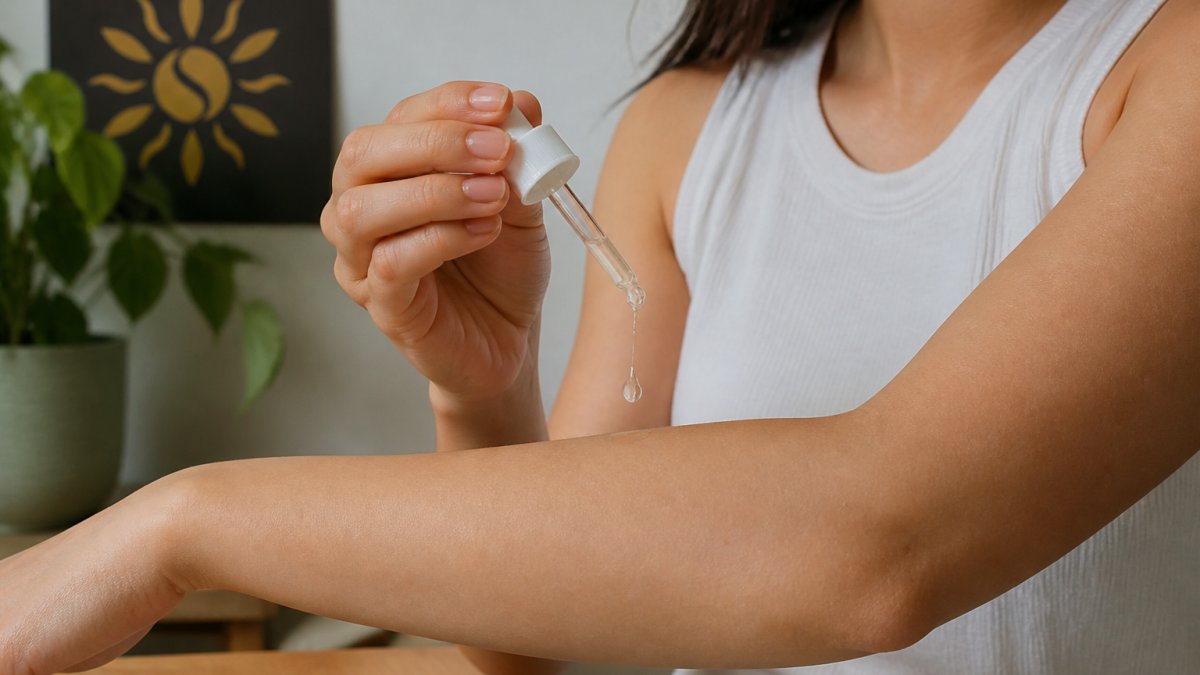
Start small. Apply a dime-sized amount to the inner arm, behind the ear, or along the jawline, sensitive but hidden areas.
Wait 24-48 hours. This timeframe allows your skin to show delayed reactions. Don't assume a product is safe after a few hours.
Observe carefully. Look for redness, itching, swelling, or burning. Even mild discomfort signals discontinuation.
Introduce one product at a time. Stagger introductions by at least a week so you can identify which product causes a reaction.
Document your results. Keep notes of what you tested and how your skin responded to identify patterns.
5 Clean Beauty Brands That Prioritize Sensitive Skin
What Sets These Brands Apart
When evaluating clean beauty sensitive skin brands, we look for three non-negotiables: transparent ingredient sourcing, dermatologist-tested formulations, and a commitment to minimalist ingredient lists. The brands below meet all three criteria and have demonstrated real results for reactive skin types.
Soulari Naturals leads this category with full INCI transparency and plant-based actives supported by clinical testing. The formulations are designed specifically for sensitive, aging skin, emphasizing hydration and barrier support rather than aggressive actives.
| Brand | Approach | Best For | Key Differentiator |
|---|---|---|---|
| Soulari Naturals | Botanical actives + transparency | Sensitive, aging skin | Full INCI lists, no hidden formulas |
| Brand B | Minimalist formulation | Reactive, easily irritated skin | Fragrance-free across entire line |
| Brand C | Dermatologist-led vetting | Hormonal breakouts + sensitivity | Clinical testing on reactive skin |
| Brand D | Sustainability focus | Eco-conscious consumers | Recyclable packaging + clean ingredients |
| Brand E | Budget-friendly clean | Cost-sensitive shoppers | Effective without premium pricing |
Building a Clean Beauty Routine for Sensitive Skin
A clean beauty routine for sensitive skin doesn't require 10 steps. More products mean more opportunities for irritation. Start with essentials and add strategically.
Cleanser: Choose a gentle, fragrance-free cleanser with ceramides or plant-based oils rather than foaming formulas.
Hydrating toner or essence: A simple hydrating toner with botanical extracts and glycerin supports your skin barrier.
Lightweight moisturizer: Look for non-comedogenic formulations with soothing botanicals like chamomile or centella asiatica.
Sunscreen: Non-negotiable. Mineral sunscreens (zinc oxide or titanium dioxide) are gentler than chemical alternatives.
Optional: targeted serum: Add one serum designed for sensitive skin to address specific concerns. Avoid serums heavy in essential oils or alcohol.
The clean beauty routine for sensitive skin philosophy is "less is more." Focus on support and protection first, then add targeted treatments only after your skin stabilizes.
Transitioning to Clean Beauty Without Triggering Flare-Ups
Switching to clean beauty products can temporarily worsen your skin if you're not strategic. A sudden change can trigger adjustment reactions, and most people abandon clean beauty too early because they can't distinguish normal adjustment from incompatibility.
A structured transition protocol isolates variables and gives your skin time to adapt.
Week 1-2: Replace your cleanser only. Your cleanser is the lowest-risk product to swap because it rinses off and doesn't sit on your skin. Choose a gentle, fragrance-free cleanser designed for sensitive skin. During this period, keep every other product the same. You're establishing a baseline and allowing your skin to adjust to one new ingredient set. What to expect: Mild tightness or slight dryness is normal as your skin adjusts to a different cleansing mechanism.
Week 3-4: Introduce your moisturizer. Once your skin has stabilized with the new cleanser, replace your moisturizer. This is your second-lowest-risk swap because moisturizers sit on the skin longer than cleansers, so reactions take slightly longer to appear. Choose a lightweight, non-comedogenic formula with soothing botanicals like centella asiatica or chamomile. What to expect: Your skin may feel slightly different in texture or hydration level.
Week 5-6: Add a hydrating toner or essence (optional). If you use a toner or essence, introduce it now. This step replenishes moisture after cleansing and supports your skin barrier. What to expect: Minimal adjustment reaction because toners are typically lightweight. If you experience any irritation, this product is likely the culprit.
Week 7-8: Introduce targeted treatments or serums (optional). Only after your core routine is stable should you add serums, spot treatments, or other actives. If you're addressing specific concerns like fine lines or dehydration, add one serum designed for sensitive skin. Avoid serums heavy in essential oils, alcohol, or high-concentration actives. What to expect: This is where most people trigger flare-ups because they introduce too many new ingredients at once.
Week 9+: Introduce sunscreen (non-negotiable). Mineral sunscreens (zinc oxide or titanium dioxide) are gentler than chemical alternatives and less likely to trigger reactions. Even if you're indoors, UV exposure damages a compromised barrier, so sunscreen is essential during your transition period. What to expect: Mineral sunscreens can feel slightly chalky or heavy, this is normal and typically improves as your skin adjusts.
The full transition timeline: 8-12 weeks minimum. This may feel slow, but it's the difference between successfully switching to clean beauty and abandoning the routine after two weeks because you experienced a reaction.
Troubleshooting: How to identify which product is causing a reaction. If you experience redness, itching, swelling, or breakouts during your transition:
- Pause all new products immediately. Return to your previous routine for 3-5 days to let your skin calm down.
- Identify the likely culprit. If the reaction occurred during Week 1-2, it's the cleanser. If it occurred during Week 3-4, it's the moisturizer. If you introduced multiple products simultaneously, you won't know which one caused the problem, this is why staggered introduction matters.
- Test a different clean option. Once your skin has calmed, try a different product from a different brand. The issue may be a specific ingredient, not clean beauty in general.
- Keep a reaction log. Document the date, product name, INCI list, and specific symptoms. Over time, you'll identify patterns, perhaps you react to all products containing phenoxyethanol, or all products with a certain botanical extract.
Red flags that signal a product isn't right for you:
- Burning or stinging that doesn't subside after the first application
- Swelling or hives (stop use immediately and consider an allergic reaction)
- Intense itching that persists beyond day 3
- Breakouts that worsen after two weeks (not improve)
- Persistent redness or flushing that doesn't calm with your previous routine
Normal adjustment reactions (these typically resolve on their own):
- Mild dryness or tightness in the first few days
- Small breakouts in the first 1-2 weeks as your skin adjusts to new emollients
- Slight texture changes or a "purge" of congestion (rare with truly gentle products, but possible)
- Temporary sensitivity to other products you've used before
Environmental triggers during transition. Your skin is more vulnerable during this period, so minimize other variables: avoid introducing new tools (like a jade roller or facial brush), skip professional treatments like chemical peels or microdermabrasion, and avoid dietary changes that might trigger inflammation. If you're also managing hormonal fluctuations, seasonal changes, or high stress, your transition may take longer, this is normal.
Expect a full healing timeline of 4-6 weeks before you see the cumulative benefits of clean beauty products. Your skin barrier needs time to repair, hydration levels need to normalize, and inflammation needs to subside. Patience is essential; abandoning a routine after two weeks because results aren't immediate is the most common reason people return to irritating products.
The clean beauty routine for sensitive skin philosophy is "less is more." Your skin barrier is already compromised; overwhelming it with multiple new products delays healing. Follow this protocol, trust your skin's feedback, and you'll successfully transition to a routine that actually supports your skin's long-term health.
Frequently Asked Questions
What ingredients should sensitive skin avoid in clean beauty products?
Sensitive skin typically reacts poorly to synthetic fragrances, sulfates, parabens, phthalates, and synthetic dyes. Alcohol denat, essential oils at high concentrations, and certain preservatives can also trigger irritation or inflammation. Patch testing any new product helps identify personal triggers, since sensitivity varies by individual. Look for fragrance-free, hypoallergenic formulations with minimal ingredients to reduce flare-up risk.
How do I know if a clean beauty brand is truly safe for sensitive skin?
Check whether the brand publishes full INCI lists with no hidden formulas and avoids common irritants like synthetic fragrances and sulfates. Brands committed to transparency often highlight their botanical clean standard. Read reviews from other sensitive-skin users, and always patch test before full application. Avoid greenwashing by verifying certifications and ingredient sourcing claims.
How long does it take to see results after switching to a clean beauty routine for sensitive skin?
Most people notice reduced redness and calming of inflammation within 2-4 weeks of consistent use with the right products. Skin barrier repair and deeper hydration improvements typically take 6-8 weeks. Results depend on the severity of your skin concerns, how well the formulation matches your needs, and whether you've eliminated triggering ingredients. Patience during the transition phase is essential, rushing or layering too many new products can cause flare-ups.
Can botanical skincare cause skin irritation if I have sensitive skin?
Yes, botanical ingredients can irritate sensitive skin if formulated incorrectly or if you're allergic to specific plants. Essential oils, plant extracts at high concentrations, and certain botanicals are known skin sensitizers. However, well-formulated clean beauty products use soothing botanical extracts like chamomile, centella asiatica, and calendula specifically to calm inflammation and support skin barrier health. The key is choosing brands that balance active botanicals with non-irritating carriers and preservatives.